
How Teletherapy Changed Things for Santé’s Clients
When the world shifted in 2020, many assumed mental health care would take a hit. Therapy, after all, was supposed to happen in quiet offices with soft lighting and carefully placed chairs. But, as is often the case in behavioral health, necessity pushed innovation, and innovation uncovered something deeply human.
For Lorraine Siqueiras, a Licensed Clinical Professional Counselor in Santé’s outpatient clinic, teletherapy became an unexpected doorway to deeper connection. Not just for her clients, but for her as a clinician as well.
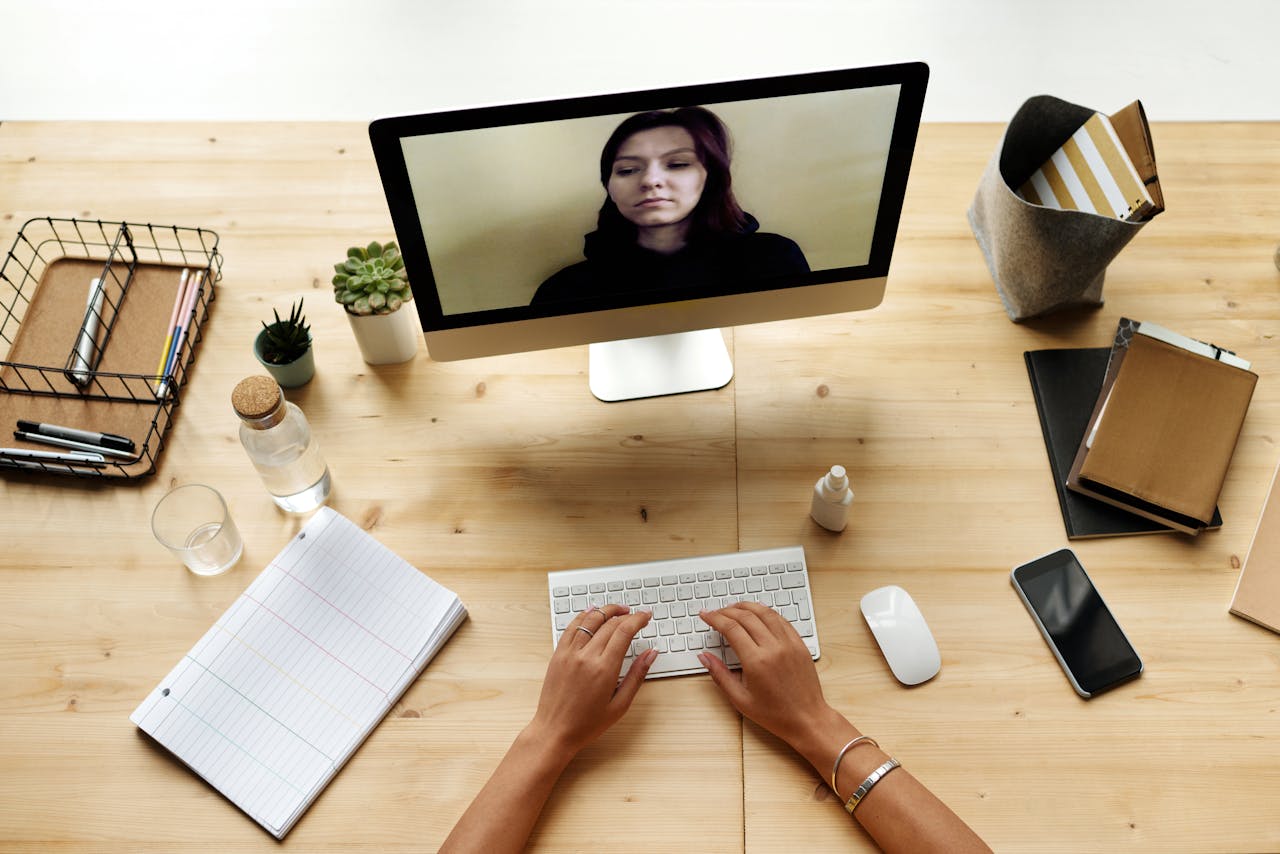
“All my services are teletherapy at this point,” she shared. “What we discovered is that clients really like it because it’s easy for them to join. They don’t have to go anywhere. They don’t have to catch a bus. They don’t have to get dressed.”
That ease changed everything.
“My no-show rate went to zero,” she said. “Everybody shows up.”
Why Teletherapy Makes It Easier to Show Up
The simple switch from in-person to virtual calls changed everything. As it turns out, when therapy becomes easier to access, people are better able to do the work. Besides the improved show rate, Lorraine was surprised to see another effect of what happens when care meets people exactly where they are, literally.
Many of the clients Santé serves live with chronic and severe mental illness. The world, Lorraine says, “is not their friend.” Traditional therapy settings can be overwhelming, and waiting rooms can trigger anxiety. Transportation adds stress and even walking into a building labeled “mental health services” can carry fear or stigma.
What teletherapy did is quietly remove many of these barriers.
Clients now log in from bedrooms, kitchen tables, or living rooms. These are spaces where their bodies can soften, voices can settle, and their defenses come down a little.
I can actually see more body language this way,” Lorraine explained. “It’s truer body language because they’re not putting on a show in public.”
That “show” is familiar to many people. Sitting upright, smiling through discomfort, and trying to appear composed, even if their world is crumbling.
Teletherapy offers something different. It allows people to show up exactly as they are.
What Still Works in a Virtual Session
Like many clinicians, Lorraine initially worried about what might be lost online. In particular, she questioned whether EMDR, a trauma-focused therapy that relies on bilateral stimulation, could translate through a screen.
“I didn’t think that was going to work,” she admitted. “And it does.”
What once felt like a limitation became another way to reach people who might never have walked into a clinic. The tools adapted and still, the connection remained.
How the Team Stays Connected
The shift to teletherapy didn’t just change things for clients. It reshaped how staff stayed connected to one another.
“The willingness of the Santé staff to still stick together has always been a wonderful thing for me,” Lorraine said. “Even though we’re not in person, we know we still have each other’s back.”
That sense of support matters in work that can be emotionally intense. It reflects Santé’s belief that staff wellness and community wellness are inseparable. When clinicians feel supported, they can continue to show up fully for the people they serve.
Why Lorraine Stayed
Lorraine’s path to Santé includes decades as a registered nurse, an unexpected battle with Lyme disease, and a return to graduate school. A mentor encouraged her to seek experience with people facing severe mental health challenges. She interned at Santé once and never left.
“This is really important work,” she said. “We deal with people who have chronic, severe mental illness. To be able to give these people dignity and respect and tools to help them manage their reactions, that’s what I like about what Santé does.”
She often comes back to the same point.
“It’s always done with a recovery viewpoint. You can improve. You can, and we will help you. We’ll walk beside you while you do it.”
What Teletherapy Made Possible
Lorraine doesn’t know how many more years she’ll be working, as no one ever really does. She does know why she continues to show up.
“I’m glad I can still put one foot in front of the other and show up for these people. It means a lot.”
Her words echo the heartbeat of Santé.
Teletherapy didn’t replace connection. Instead, it opened doors. For some people, it became the first step toward care. For others, it made staying consistent possible. As for clinicians like Lorraine, it reaffirmed that connection doesn’t depend on walls or offices, but on presence, trust, and meeting people where they are.
That’s Santé.
That’s the work we do, and the future we continue to build, one session, one relationship, and one human moment at a time.
